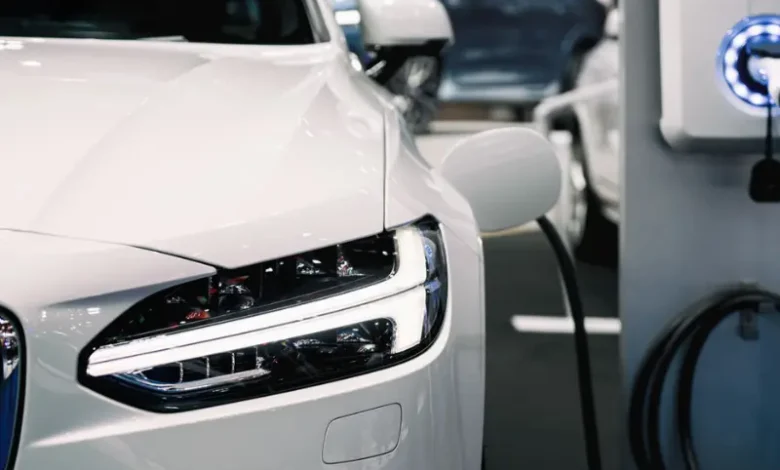
As electric vehicle adoption grows across Thailand, the demand for efficient and rapid charging solutions is increasing. The development of advanced direct current (DC) charging technology is fundamental to supporting this transition. This technology offers a significant improvement over standard alternating current (AC) chargers, directly supplying power to the vehicle’s battery for quicker replenishment.
Advanced DC systems are transforming the EV owner’s experience. They enable an ultra fast charge, drastically reducing the time spent waiting for a vehicle to be ready. For drivers in busy urban centres like Bangkok or those travelling long distances between provinces, this speed is a considerable advantage. Efficient charging helps integrate EVs seamlessly into daily life, making them a practical choice for more consumers.
The core of this efficiency lies in the technology’s design. DC fast chargers convert AC power from the grid to DC power within the charging station itself. This process allows for much higher power delivery directly to the battery, bypassing the car’s onboard converter. The result is a charging session that can take minutes instead of hours, a feature that supports the expansion of Thailand’s public charging network.
The Role of DC Technology in Thailand’s EV Future
Thailand’s government has ambitious goals for EV adoption, aiming for a substantial portion of new vehicle sales to be electric in the coming years. To achieve this, a robust public charging infrastructure is essential. Advanced DC charging stations are a central part of this plan, providing the high-speed charging needed to alleviate range anxiety and encourage widespread EV use.
These powerful charging points are being installed along major highways and in commercial areas, from Chiang Mai to Phuket. This network expansion ensures that EV drivers can travel with confidence, knowing a quick power-up is accessible. The technology supports a higher turnover of vehicles at charging stations, which is important for managing demand during peak times.
Improving Grid Stability and Energy Management
The integration of numerous high-power DC chargers presents a new set of considerations for the national power grid. Smart charging technologies are being developed to manage this increased load effectively. These systems can communicate with the grid to adjust charging speeds based on overall electricity demand, helping to prevent strain and improve stability.
By managing energy consumption intelligently, these advanced chargers contribute to a more resilient energy system. This is particularly relevant as Thailand continues to incorporate more renewable energy sources into its power generation mix. Efficient DC charging, paired with smart grid technology, helps create a sustainable and reliable ecosystem for electric mobility, paving the way for a cleaner transportation future for the nation.