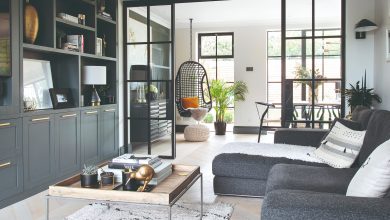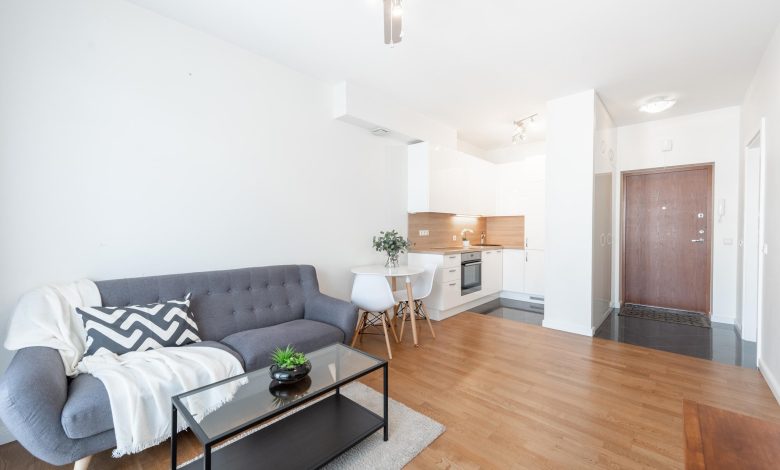
Designing a living space that is both comfortable and functional requires thoughtful planning. A well-designed home supports daily activities, promotes relaxation, and reflects personal style without sacrificing practicality.
Whether the space is large or small, the goal is to create an environment that balances aesthetics, comfort, and usability. By focusing on layout, furniture selection, lighting, and organization, anyone can transform a living area into a welcoming and efficient space.
Understanding the Basics of Functional Design
A functional living space is one that supports everyday activities while maintaining comfort and visual appeal. Instead of overcrowding rooms with decorative items, effective design focuses on maximizing usability.
Functional design considers how people move through a space, how furniture is used, and how different elements work together to create harmony.
Key principles of functional design
Effective interior spaces often follow these principles:
- Simplicity to avoid clutter
- Efficient use of space for easier movement
- Balanced layout that supports daily routines
- Comfortable furniture placement
- Adequate lighting for different activities
When these elements are combined thoughtfully, the space becomes both practical and inviting.
Plan the Layout Before Decorating
Before purchasing furniture or décor, it is important to plan the layout of the room. A well-organized layout improves both comfort and accessibility.
Tips for creating an effective layout
Consider the following when arranging a living space:
- Leave enough room for easy movement between furniture
- Position seating to encourage conversation and interaction
- Ensure important areas receive natural light
- Avoid blocking windows or pathways
- Create clear zones for different activities such as relaxing, reading, or entertaining
A carefully planned layout helps maximize the functionality of the entire room.
Choose Comfortable and Practical Furniture
Furniture is one of the most important elements of a comfortable living space. The right furniture should support both comfort and practicality.
Factors to consider when selecting furniture
Look for pieces that offer:
- Comfortable seating and ergonomic support
- Durable materials that last longer
- Appropriate size for the room
- Multi-functional features such as storage or foldable designs
For smaller spaces, furniture that serves multiple purposes—such as storage ottomans or sofa beds—can significantly improve usability.
Use Lighting to Enhance Comfort
Lighting plays a major role in shaping the mood and functionality of a room. A well-lit space feels more welcoming and easier to use throughout the day.
Types of lighting to include
A balanced lighting design typically includes:
- Ambient lighting for overall room brightness
- Task lighting for activities such as reading or working
- Accent lighting to highlight décor or architectural features
Combining different light sources helps create a flexible and comfortable environment.
Incorporate Smart Storage Solutions
Clutter can quickly make a space feel cramped and uncomfortable. Smart storage solutions help keep rooms organized without sacrificing style.
Practical storage ideas
Some effective storage solutions include:
- Built-in shelving or cabinets
- Storage baskets and decorative boxes
- Multi-purpose furniture with hidden compartments
- Vertical storage that uses wall space efficiently
Keeping items organized helps maintain a calm and functional living area.
Add Personal Touches for Warmth
While functionality is essential, a living space should also reflect personal preferences and style.
Decorative elements bring warmth and character to the room.
Ways to personalize a living space
Consider adding:
- Artwork or framed photographs
- Indoor plants for natural freshness
- Textiles such as rugs, cushions, and curtains
- Decorative lighting fixtures
These small additions help create a space that feels comfortable and uniquely yours.
Maintain Balance Between Style and Function
A successful living space strikes a balance between visual appeal and practical use. Too many decorative items can make a room feel cluttered, while overly minimal spaces may feel impersonal.
Maintaining balance ensures that the room remains both beautiful and comfortable for everyday living.
Conclusion
Designing a comfortable and functional living space involves thoughtful planning, smart furniture choices, effective lighting, and organized storage. By focusing on both practicality and aesthetics, it is possible to create a home environment that supports daily routines while providing a relaxing atmosphere.
Even small design changes can significantly improve comfort and functionality, making the living space more enjoyable and efficient.
Frequently Asked Questions (FAQ)
1. What is the most important element of a comfortable living space?
The most important element is a well-planned layout that allows easy movement and supports everyday activities.
2. How can small living spaces be made more functional?
Small spaces benefit from multi-functional furniture, vertical storage solutions, and minimal clutter to maximize usable space.
3. Why is lighting important in interior design?
Lighting improves visibility, enhances mood, highlights décor, and supports different activities within the space.
4. How can someone make their living space feel more relaxing?
Adding soft textures, natural lighting, indoor plants, and comfortable seating can create a calmer and more relaxing environment.
5. What colors work best for a comfortable living room?
Neutral tones such as beige, soft gray, and warm whites often create a soothing atmosphere, while accent colors can add personality.
6. How can storage be added without making a room look crowded?
Using hidden storage furniture, wall shelves, and organized baskets helps keep items accessible while maintaining a clean appearance.
7. How often should a living space be redesigned or updated?
Minor updates such as rearranging furniture or changing décor can be done periodically, while major redesigns usually occur every few years depending on lifestyle changes.