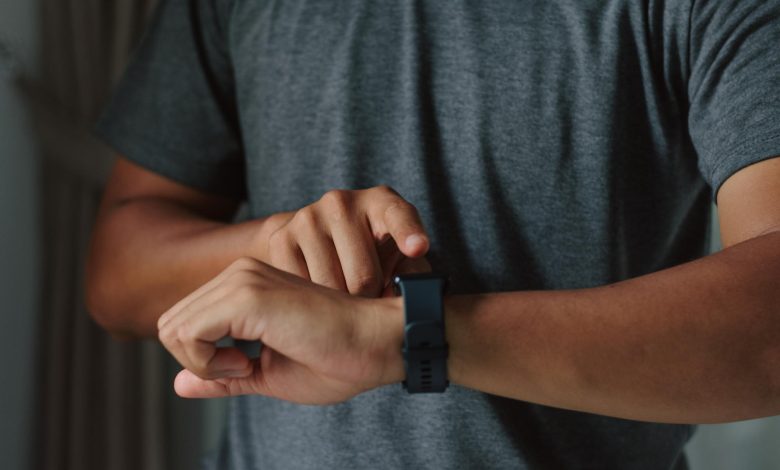
Wearable technology has rapidly evolved from simple fitness trackers to advanced devices capable of monitoring health, enhancing productivity, and connecting seamlessly with digital ecosystems. These devices are designed to be worn on the body and collect valuable data that can improve everyday life.
As technology continues to advance, wearable devices are becoming smarter, more efficient, and deeply integrated with healthcare, communication, and personal productivity systems. The future of wearable technology promises innovations that could transform how people manage their health, interact with digital environments, and access information.
Understanding Wearable Technology
Wearable technology refers to electronic devices designed to be worn on the body as accessories, clothing, or implants. These devices often include sensors, connectivity features, and software applications that collect and process data.
Common types of wearable devices
Popular wearable technologies include:
- Smartwatches with health and activity tracking
- Fitness trackers that monitor physical activity
- Smart glasses with augmented reality features
- Health monitoring devices for medical data tracking
- Wearable clothing with embedded sensors
These devices combine convenience with functionality to enhance everyday activities.
Growth of Health Monitoring Features
One of the most important developments in wearable technology is its role in health monitoring. Modern wearables can track various health indicators and provide users with valuable insights into their physical condition.
Health metrics commonly tracked by wearables
Many devices can monitor:
- Heart rate and heart rhythm
- Physical activity levels
- Sleep patterns
- Blood oxygen levels
- Stress and recovery indicators
Future wearable technologies may also detect early signs of diseases and assist healthcare professionals with remote patient monitoring.
Integration with Healthcare Systems
Wearable devices are increasingly being integrated into healthcare systems to support preventive care and medical monitoring.
How wearables support healthcare
Healthcare providers can use wearable data to:
- Monitor patient health remotely
- Detect abnormalities in real time
- Track recovery progress after medical treatments
- Encourage healthier lifestyle habits
This integration may help reduce hospital visits and improve early diagnosis of certain conditions.
Advancements in Smart Glasses and Augmented Reality
Smart glasses and augmented reality (AR) wearables are becoming more advanced and practical for everyday use.
Potential uses of AR wearables
Augmented reality wearables may support:
- Navigation and real-time information display
- Training and education through interactive visuals
- Industrial maintenance and technical support
- Enhanced communication in professional environments
These technologies could transform how people interact with digital information in real-world environments.
Improved Connectivity with Smart Ecosystems
Wearable technology is increasingly connected to larger digital ecosystems such as smartphones, smart homes, and cloud platforms.
Benefits of connected wearable devices
Integration with digital systems allows wearables to:
- Synchronize data across multiple devices
- Provide real-time notifications and reminders
- Control smart home devices remotely
- Support productivity and time management
This connectivity makes wearable technology a central component of modern digital lifestyles.
Advances in Battery and Design Technology
For wearable devices to remain practical, manufacturers are continually improving battery efficiency and design.
Emerging design improvements
Future wearables may include:
- Longer battery life for continuous monitoring
- Lightweight and flexible materials
- Improved waterproof and durable designs
- Compact sensors with greater accuracy
These improvements will make wearable devices more comfortable and reliable for everyday use.
Data Privacy and Security Challenges
As wearable devices collect increasing amounts of personal data, privacy and security concerns are becoming more important.
Key challenges in wearable technology
Developers must address:
- Protection of sensitive health data
- Secure data transmission between devices
- Ethical use of collected personal information
- Transparent data management policies
Ensuring strong data protection will be essential for building trust in wearable technologies.
The Role of Artificial Intelligence in Wearables
Artificial intelligence is expected to play a major role in the future of wearable technology. AI-powered systems can analyze large amounts of user data and provide personalized insights.
How AI enhances wearable devices
AI can help wearables:
- Deliver personalized health recommendations
- Predict potential health risks
- Improve activity tracking accuracy
- Automate daily task reminders
These capabilities may transform wearable devices into intelligent personal assistants.
Conclusion
Wearable technology is evolving rapidly and becoming a powerful tool for health monitoring, productivity, and digital interaction. As innovations in artificial intelligence, sensor technology, and connectivity continue to develop, wearable devices will likely become even more integrated into daily life.
The future of wearable technology promises smarter devices, improved healthcare support, and new ways for individuals to interact with technology in a seamless and personalized manner.
Frequently Asked Questions (FAQ)
1. What is wearable technology?
Wearable technology refers to electronic devices designed to be worn on the body that collect and process data to support health, communication, and daily activities.
2. What are the most common wearable devices today?
Common examples include smartwatches, fitness trackers, health monitoring devices, and smart glasses.
3. How do wearable devices monitor health?
Wearable devices use sensors to track metrics such as heart rate, physical activity, sleep patterns, and other health indicators.
4. Can wearable technology replace medical devices?
While wearable devices can assist with health monitoring, they usually complement rather than replace professional medical equipment.
5. Are wearable devices safe to use daily?
Most wearable devices are designed for continuous daily use and meet safety standards, though users should follow manufacturer guidelines.
6. How will artificial intelligence influence wearable technology?
AI will enable wearables to analyze data more effectively, provide personalized insights, and predict potential health issues.
7. What industries may benefit from wearable technology in the future?
Healthcare, sports, manufacturing, education, and workplace safety are among the industries expected to benefit significantly from wearable technology.